Timberland Boots: Ankle Support, Fit, and Best Styles
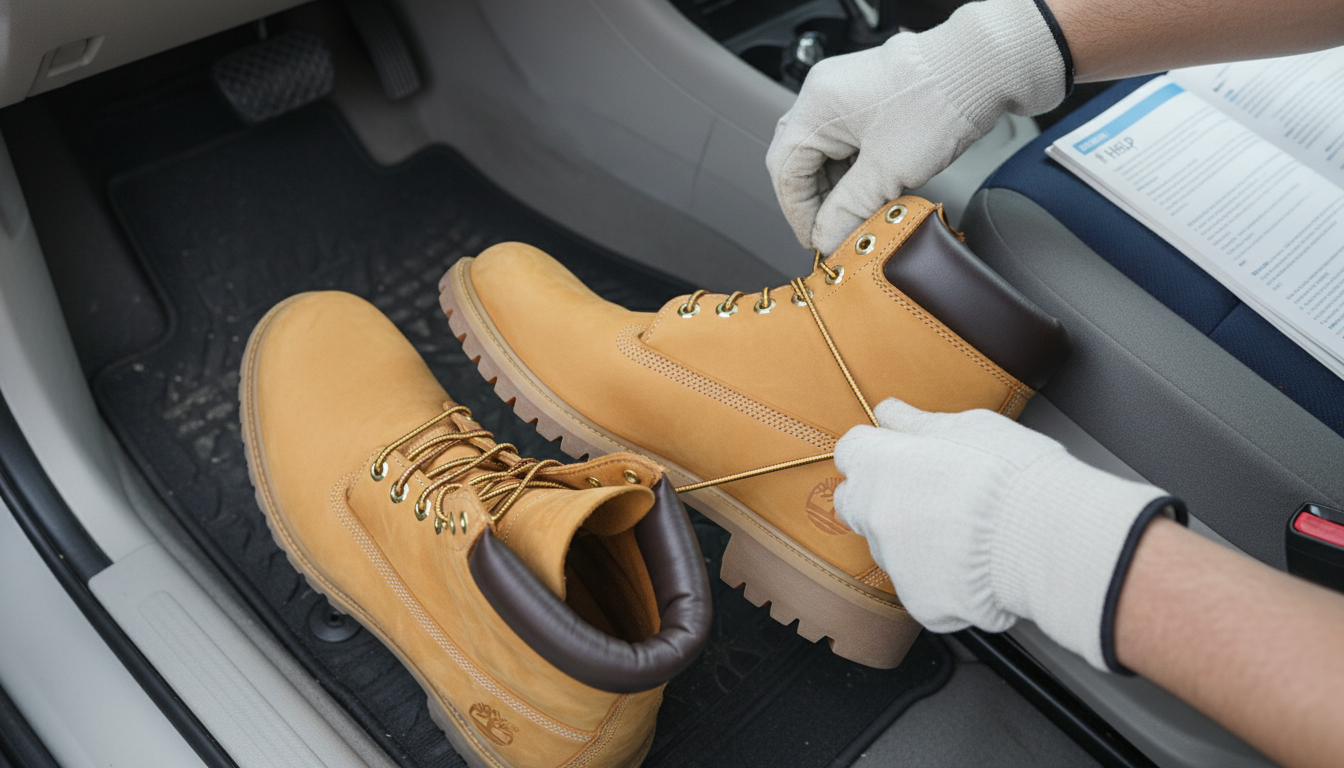
Are Timberland boots good for ankle support?
Many Timberland boots can provide solid ankle support, especially their lace-up, mid- to high-top work and hiking-inspired styles. The support comes from a mix of design details: a taller shaft that stabilizes the ankle, a firm heel counter that helps limit side-to-side movement, and a lacing system that lets you dial in a snug, locked-in fit. If the boot fits correctly and is laced properly, it can feel secure for everyday wear, long walks, and light jobsite use.
That said, “Timberland boots” covers a wide range. Some fashion-forward or lower-cut options prioritize flexibility and style over structure, which can feel less supportive. For the best ankle stability, look for a model with a higher collar, stronger upper materials (like full-grain leather or durable nubuck), and a more rigid build around the heel and midfoot.
What makes a Timberland boot feel supportive?
Support is mostly about how well the boot holds your heel and midfoot in place. A structured upper and a firm heel area reduce wobble, while a cushioned footbed can improve comfort so you’re less likely to fatigue and lose form. A grippy outsole also matters: better traction helps prevent slips that can lead to ankle rolls.
Fit and lacing matter as much as the boot
Even a supportive boot won’t help if it’s too loose. Your heel shouldn’t lift much when walking, and the boot should feel snug around the ankle without cutting off circulation. Using the top eyelets to create a secure “lace lock” can improve stability, while leaving the collar too loose can make a high-top feel surprisingly unsupportive.
Which Timberland styles tend to support ankles better?
Generally, higher-cut men’s ankle boots and work-leaning designs offer more stability than low-cut casual boots. If you want a deeper look at fit, grip, break-in, and care—factors that affect how supportive a boot feels over time—see the full guide here: Timberland men’s ankle boots fit, grip, and care tips.
FAQ
Do Timberland boots run true to size?
Many people find Timberland boots run slightly large, especially in classic leather styles. Checking the brand’s sizing guidance and aiming for minimal heel lift will help you get a secure, supportive fit.










Leave a comment