Timberland Men’s Ankle Boots: Fit, Grip & Care Tips
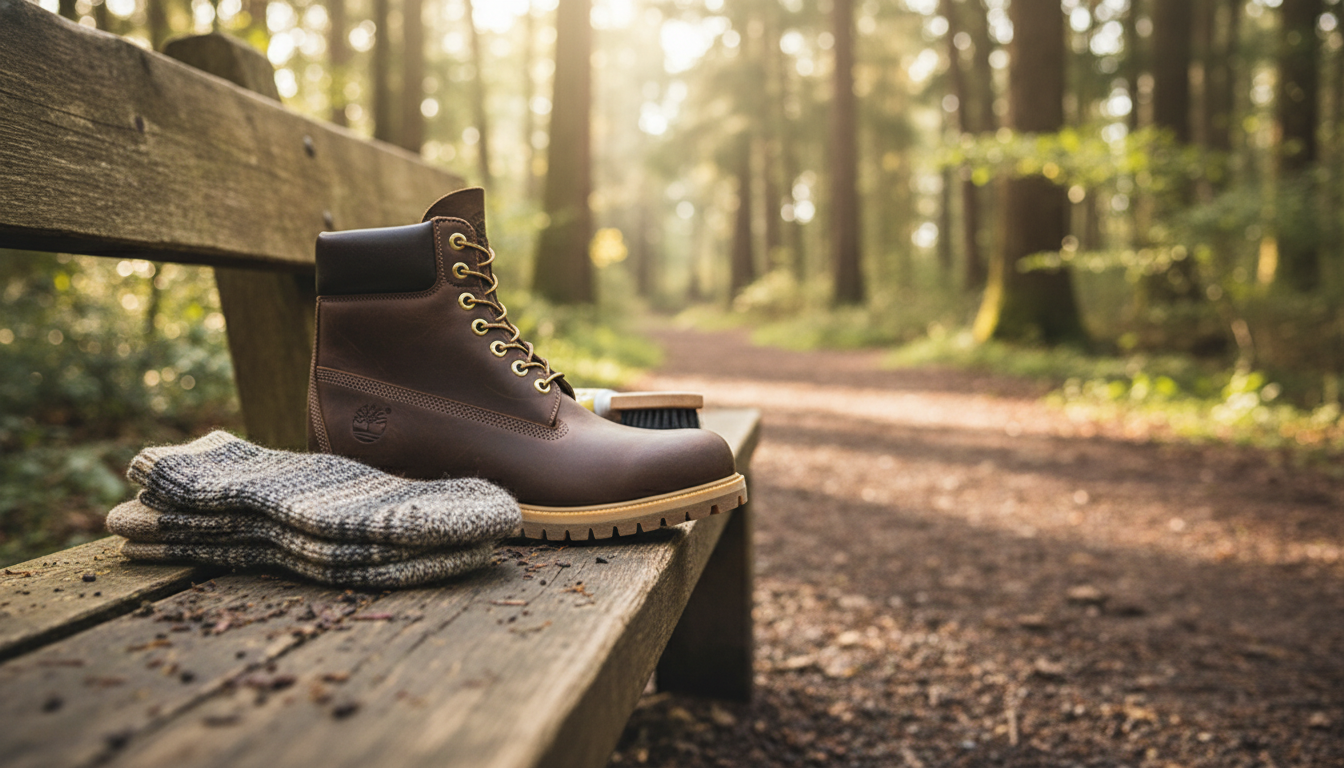
Timberland Men’s Ankle Boots for Everyday Wear and Weekend Trails
Ankle boots handle the in-between moments: commuting in wet weather, long days on foot, and quick escapes outdoors. Timberland’s men’s ankle-boot silhouettes are known for sturdy build, practical traction, and a look that works with denim, chinos, and workwear. The guide below focuses on what to check before buying and how to get the best comfort and lifespan out of a pair. For more guidance, see TIMBERLAND FRANKLIN PARK CHUKKA BOOTS SIZE 9 NEW.
What Makes a Good Pair of Men’s Ankle Boots
- A supportive upper that holds the heel in place without pinching the forefoot.
- Outsole traction that matches typical surfaces: wet pavement, light dirt, gravel, or mixed terrain.
- Weather protection features such as treated leather, sealed seams, and gusseted tongues (model-dependent).
- A midsole and footbed that stay comfortable across long standing and walking days.
- Durability cues: reinforced toe/heel areas, solid stitching, and a stable heel counter.
For a versatile option that can handle weekday commutes and casual trail walks, start with a well-built pair like Timberland Men’s Ankle Boots, then dial in fit and care so they stay comfortable over time.
Quick Specs to Compare Before Buying
Use the checklist below to compare ankle boots quickly across comfort, weather performance, and daily usability. If feet run wide, prioritize width options, roomy toe boxes, and softer break-in materials. For frequent rain or slush, favor water-resistant uppers and deeper lugs.
| Feature | What to Look For | Why It Matters |
|---|---|---|
| Upper material | Full-grain or premium leather; durable textiles on select models | Better abrasion resistance and structure over time |
| Water protection | Water-resistant treatment; sealed construction (varies) | Helps keep feet drier in unpredictable weather |
| Lining/insulation | Breathable lining or insulated options (varies) | Comfort across temperature swings |
| Footbed | Cushioned, removable insole if possible | Easier fit tweaks and long-day comfort |
| Outsole | Rubber with multi-directional lugs | Improves grip on wet sidewalks and light trails |
| Closure | Laces with secure eyelets/hooks | Better lockdown and adjustability |
Fit and Sizing: Getting the Lockdown Right
- Aim for a thumb’s width of space in front of the longest toe while standing; toes should not press the front on downhill steps.
- Heel slip should be minimal after lacing; slight movement during first wears can happen but should improve as the upper breaks in.
- Try with the socks normally worn—thicker socks change volume and can reduce circulation if the boot is snug.
- If between sizes, consider foot volume: higher insteps often do better with more room or adjustable lacing patterns.
- Plan for a short break-in period with leather: start with shorter walks, then increase distance as the upper softens.
A quick at-home check: lace up firmly, then walk stairs and gentle slopes. If the heel lifts noticeably, try a more secure lacing pattern (like heel-lock lacing) or adjust size/width. For general footwear fit guidance, the American Podiatric Medical Association’s footwear tips are a useful reference point.
Materials, Weather Readiness, and Traction
- Leather uppers typically offer the best balance of structure, durability, and a cleaner look for casual-to-smart outfits.
- Water resistance varies by model; for frequent wet conditions, reapply a suitable waterproofing product periodically.
- A gusseted tongue (when present) helps reduce water and debris entry around the laces.
- Rubber lug patterns are useful for wet pavement and packed dirt; deeper, more aggressive lugs generally perform better on loose gravel.
- If boots are mainly for city use, prioritize a stable sole that feels secure on slick sidewalks and transit steps.
If weekend terrain is mostly packed trails and park paths, moderate lugs are often the sweet spot: they feel smoother on pavement while still adding confidence on dirt. For wetter months, leather conditioning plus a compatible water-repellent treatment can help maintain performance without sacrificing comfort.
Comfort and Support for Long Days
- Cushioning should feel supportive rather than overly soft; too much softness can fatigue arches on long walks.
- A firm heel counter improves stability, especially when carrying a bag or walking on uneven ground.
- Consider adding an aftermarket insole if extra arch support is needed; removable footbeds make this easier.
- Lacing technique matters: tighter at the ankle for stability, slightly looser across the forefoot to avoid numbness.
- Rotate footwear when possible; giving boots time to dry and rebound helps comfort and reduces odor buildup.
For day-to-night wear, pairing ankle boots with an insulating mid-layer can keep you comfortable without over-bundling. A simple example is Armani Exchange Men’s Wool Blend Round Neck Knitwear, which works well under a field jacket or a heavier overshirt when the forecast swings.
Styling: From Workwear to Weekend
Care and Longevity
FAQ
Are Timberland ankle boots good for walking all day?
They can be, especially when the upper locks the heel down, the outsole has dependable grip, and the footbed matches your arch needs. Expect some break-in with leather; comfort typically improves after a few shorter wears, and an upgraded insole can help for long standing days.
How can leather ankle boots be made more water-resistant?
Clean and fully dry the leather first, then apply a compatible waterproofing spray or wax, paying extra attention to seams and the lace area. Let it cure as directed and reapply when water no longer beads on the surface, especially during rainy seasons.
Should ankle boots fit snug or roomy?
They should feel secure at the heel with enough toe room to prevent pressure on descents—about a thumb’s width in front of the longest toe is a common benchmark. Avoid hotspots, numbness, or tightness across the forefoot, and always fit boots with the socks you’ll actually wear.










Leave a comment