Natural Cortisol Support: Sleep, Food, and a 14-Day Reset
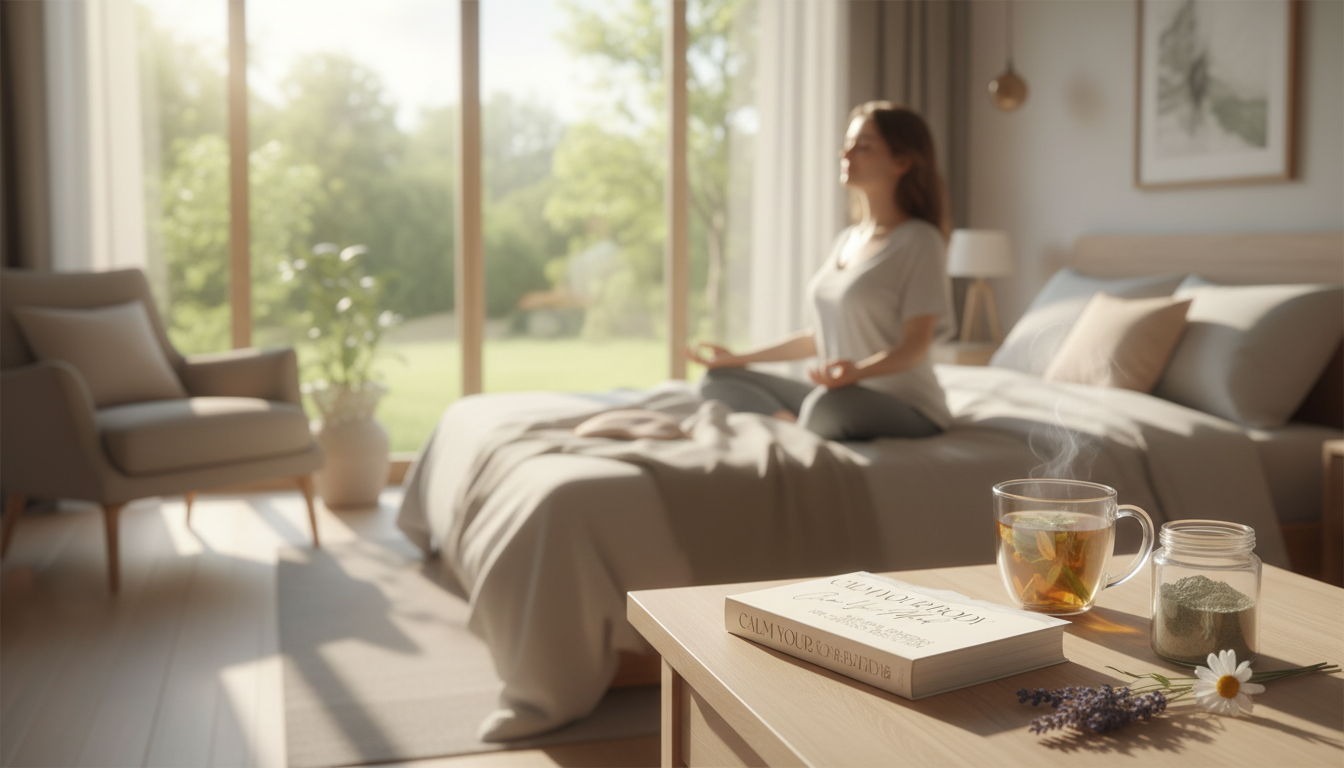
Calm Your Body, Clear Your Mind, Balance Your Life: Natural Ways to Support Healthy Cortisol
Cortisol is a key hormone for energy, focus, and resilience. When stress is constant, cortisol patterns can drift—showing up as wired-but-tired mornings, afternoon crashes, restless sleep, cravings, and trouble unwinding. A steady, natural approach can help support healthier cortisol rhythms through sleep, light, movement, food timing, and calming practices. The guide below organizes practical options and a simple plan that fits real life.
What Cortisol Does and Why It Matters
Cortisol helps coordinate your body’s stress response, supports balanced blood sugar, influences inflammation regulation, and contributes to wakefulness. It’s not “bad”—it’s essential. The goal is a healthier pattern, not zero cortisol.
A typical rhythm is higher in the morning to help you feel alert, then gradually lower at night to support sleep. When that rhythm is disrupted, it can ripple into mood, appetite, recovery, and the ability to relax. Common signs include trouble falling or staying asleep, morning fatigue, midday energy dips, irritability, frequent cravings, and feeling on edge.
Because many medical issues can mimic stress-related symptoms, persistent or severe changes (especially sudden weight shifts, panic symptoms, or ongoing insomnia) should be discussed with a clinician. For a clear medical overview of cortisol’s role, see the Cleveland Clinic’s cortisol guide.
Start With the Biggest Levers: Sleep, Light, and Daily Rhythm
When cortisol feels “off,” the highest-impact place to start is often your daily timing. These anchors create strong signals for your brain and body to shift gears.
- Keep a consistent wake time: Aim for the same wake time within about 30 minutes, even on weekends when possible. A stable wake time tends to stabilize bedtime more effectively than forcing sleep.
- Get outdoor light early: Spend 10–20 minutes outside soon after waking. Morning light can reinforce daytime alertness and make evening wind-down feel easier.
- Dim lights at night: Reduce bright overhead lighting and lower screen brightness 60–90 minutes before bed. Warm lamps can help your environment feel more “downshifted.”
- Build a repeatable wind-down: Pick a 10–20 minute routine (warm shower, light stretching, journaling, quiet reading) and do it in the same order nightly.
- Set a caffeine cutoff: Many people do best stopping caffeine 8–10 hours before bedtime—especially if sleep is already fragile.
If stress feels chronic, it can help to learn how stress affects the brain and body. The National Institute of Mental Health overview on stress is a solid starting point.
Food Timing and Nutrients That Support Calm Energy
Blood sugar swings can feel like anxiety, shakiness, or a sudden mood dip—so meal structure matters. A cortisol-supportive approach is less about perfection and more about predictable fuel.
- Stabilize blood sugar: Prioritize protein at breakfast, include fiber-rich carbs, and pair carbs with protein or fat to reduce spikes and crashes.
- Keep meals reasonably regular: Long gaps can raise stress signaling in some people, leading to jitters, irritability, or cravings.
- Hydration and minerals: Dehydration can masquerade as fatigue or anxious tension. Include mineral-rich foods (potassium-rich produce, soups/broths, and appropriate salt intake for your needs).
- Evening nutrition: A light carb+protein snack can help some people sleep more smoothly (especially if they wake up hungry at night).
- Alcohol awareness: Alcohol may make you sleepy at first, but it can fragment sleep and increase nighttime arousal. Reducing frequency and keeping it earlier can make a noticeable difference.
| Time | Goal | Examples |
|---|---|---|
| Morning | Steady energy and focus | Eggs + veggies; Greek yogurt + fruit; tofu scramble; oatmeal + nuts + chia |
| Midday | Prevent afternoon crash | Protein bowl with beans/whole grains; salad + chicken/tempeh; soup + whole-grain toast |
| Afternoon | Reduce stress snacking | Apple + nut butter; hummus + carrots; cottage cheese; handful of nuts |
| Evening | Support wind-down and recovery | Lean protein + vegetables + whole grains; salmon + rice + greens; lentil stew |
| Pre-bed (optional) | Smoother sleep for some people | Small carb+protein snack: milk/kefir; yogurt; banana + peanut butter |
Movement That Lowers Stress Without Overloading the System
Breathing, Mindfulness, and Nervous System “Off Switches”
Natural Remedies and Supplements: What to Consider (Safely)
Common evidence-supported options may include magnesium (often glycinate), L-theanine, omega-3s, and certain adaptogens such as ashwagandha—responses vary. Safety matters: check interactions (thyroid medication, antidepressants, sedatives, and blood pressure meds), pregnancy/breastfeeding considerations, and underlying conditions. For more on magnesium basics, see the NIH Office of Dietary Supplements magnesium fact sheet.
Optional tools to organize your routine
If you prefer a structured, step-by-step approach to building calm routines, consider Calm Your Body, Clear Your Mind, Balance Your Life: A Complete Guide to Natural Remedies for Cortisol Reduction. It’s designed to help you combine daily rhythm, calming practices, and tracking so changes feel simpler to maintain.
For comfort during evening wind-down routines (reading, stretching, or journaling), cozy layers can help signal “rest time.” A simple option is Guess Women’s Black Knitwear, which pairs easily with a low-light, screen-free bedtime routine.
A 14-Day Reset Plan (Small Steps, Big Signal)
When Extra Support Helps
FAQ
How long does it take to notice improvements in stress and sleep?
Foundational changes often show early signals within 7–14 days (like steadier sleep timing and improved afternoon energy). More stable results commonly take 4–8 weeks, especially when consistency is stronger than intensity.
Which lifestyle change tends to help the most with feeling “wired at night”?
Earlier bright light exposure, reducing evening light, and a consistent wind-down routine are often the highest-impact combination. Also review late caffeine, late intense workouts, and alcohol, since each can raise nighttime arousal.
Are adaptogens safe for everyone?
Not always—pregnancy/breastfeeding, thyroid conditions, medication interactions, and side effects all matter. Start with one product at a time and consult a clinician if you’re unsure or symptoms are significant.












Leave a comment