Armani Exchange Men’s Black Leather Wallet: Slim EDC Guide
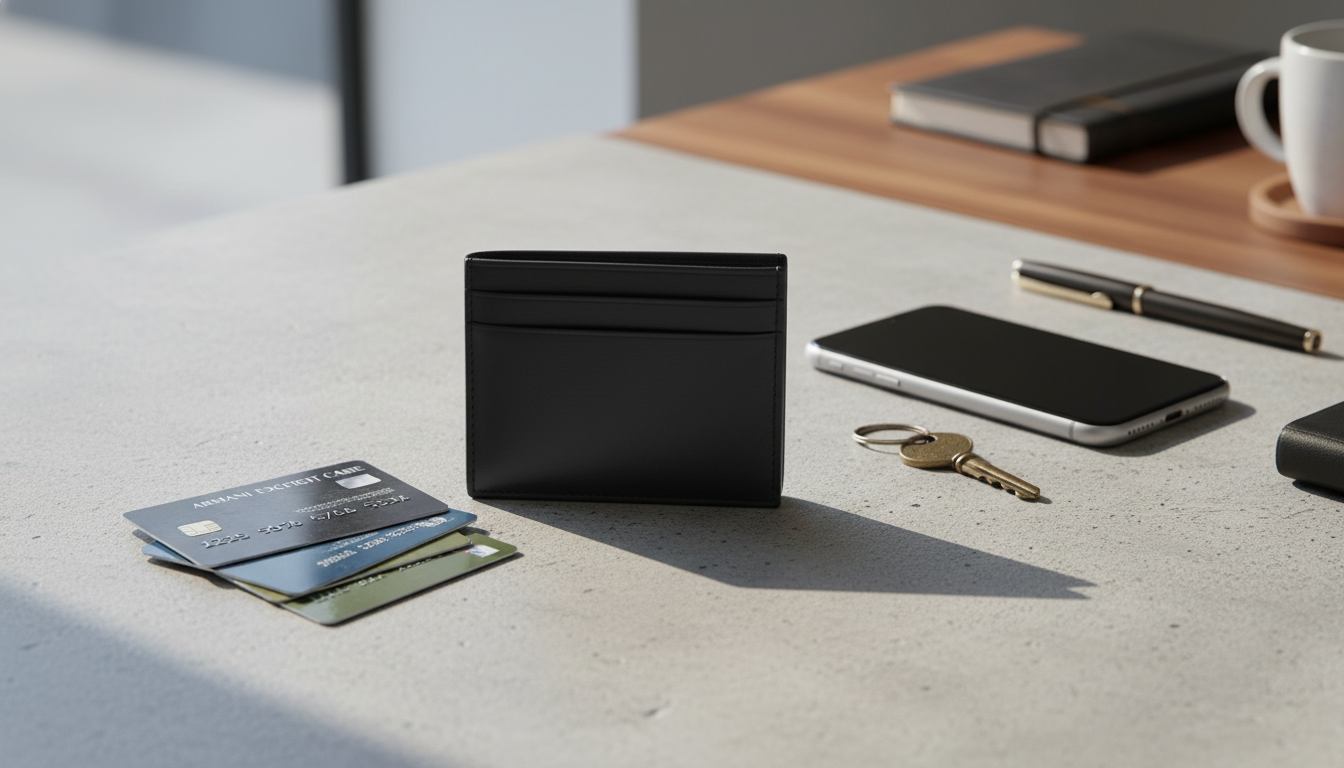
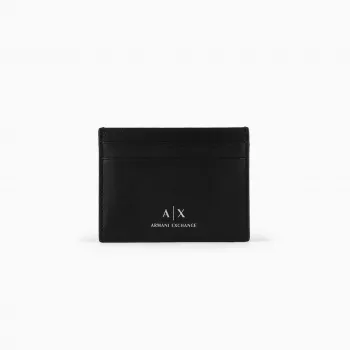
Armani Exchange Men’s Black Leather Wallet: Everyday Carry, Simplified
A leather wallet is one of the most-used accessories in a daily routine, so the details matter: feel in hand, pocket comfort, layout, and how it holds up over time. This guide breaks down what to look for in the Armani Exchange Men’s Black Leather Wallet, how to judge fit and function for everyday carry, and how to keep leather looking sharp.
What stands out at a glance
- Clean black leather look that pairs easily with business, casual, and travel outfits.
- Designed for daily pocket carry—aims to balance storage with a streamlined profile.
- Brand-forward accessory without loud styling; works well as a gift option for men.
- Best suited for users who carry cards and a small amount of cash rather than bulky items.
Black leather is the “no-thought-required” choice: it blends with a black belt and shoes, looks appropriate next to a briefcase or backpack, and doesn’t clash with casual weekend fits. If the daily load is mostly cards and a few bills, a slim-to-moderate profile tends to feel better in the pocket and keeps the wallet from losing shape prematurely.
Quick specs and at-a-glance details
For shoppers who want the basics fast, these details help set expectations. The price point lands in the accessible designer category—often appealing if you want a recognizable brand without stepping into ultra-premium pricing.
| Detail | Value |
|---|---|
| Product | Armani Exchange Men’s Black Leather Wallet |
| Color | Black |
| Material | Leather |
| Price | 37.01 USD |
| Availability | In stock |
| Product page | https://trustedselectionsmart.shop/armani-exchange-mens-black-leather-wallet/ |
Layout and everyday use: what to check before buying
The “right” wallet is the one that fits how you actually pay, commute, and access places throughout the week. Before purchasing, run a quick inventory of what you carry and how often you reach for it.
- Card capacity: Count daily cards (ID, two payment cards, transit card, gym/work access badge). A wallet that’s always overstuffed is less comfortable and tends to stretch faster.
- Cash handling: Decide whether you need a full-length bill compartment for unfolded notes. If you rarely carry cash, a minimal setup keeps the profile neater.
- Pocket comfort: For front-pocket carry, keep the loadout slimmer; for back-pocket carry, avoid overfilling to reduce bulk and long-term wear.
- Access speed: The best real-world layout puts the most-used card in an easy-to-reach slot and separates “once-a-month” cards so they’re not in the way.
- Edges and stitching: Clean edge finishing and consistent stitching are small details that usually translate to better long-term durability.
A practical trick: place your most-used card in the same slot every time. That reduces the amount of flexing and digging across multiple pockets, and it helps the wallet keep its structure longer.
Leather feel, durability, and how it ages
Leather is meant to change. Over time it typically softens, becomes more pliable, and develops a subtle “lived-in” character. The goal isn’t to keep it looking untouched forever—it’s to help it age evenly and avoid damage that looks premature.
- Leather changes with time: Expect natural softening and a more broken-in feel with regular use.
- Minimize abrasion: Keys, coins, and rough pocket linings accelerate surface wear and can mark leather.
- Moisture management: Keep away from heavy rain; if it gets wet, air-dry naturally away from heat sources.
- Conditioning basics: Occasional conditioning helps reduce drying and cracking, especially in low-humidity climates.
- Storage tip: When not in use, store it flat and avoid stacking heavy items on top to prevent warping.
If you want to understand how leather products are described and labeled in the U.S., the Federal Trade Commission’s Leather Guides are a helpful reference. For broader guidance around leather and responsible sourcing, the Leather Working Group offers additional information.
Who this wallet fits best (and who should pass)
Most wallet disappointment comes from mismatch: buying a sleek wallet but carrying a bulky load, or buying something large when you really only need the essentials.
Care routine: keep black leather looking sharp
Style pairings and simple upgrades
If you’re building a coordinated, understated look, pair the wallet with a simple layer like the Armani Exchange Men’s Wool Blend Round Neck Knitwear. Keeping accessories classic and clothing clean-lined is a reliable formula for workdays, dinners, and trips.
Related in-stock picks
- Armani Exchange Men’s Black Leather Wallet (black leather, streamlined everyday carry)
- Armani Exchange Men’s Wool Blend Round Neck Knitwear (easy layering piece for a polished casual wardrobe)
- Guess Women’s Black Knitwear (a simple black option that pairs well with minimalist accessories)
FAQ
How many cards should go in a leather wallet to avoid stretching?
A practical range is usually 6–10 cards total, depending on how many slots the wallet has and how tight they are at first. Overstuffing stretches leather and can loosen slots over time, so rotate rarely used cards out of your daily carry.
How can black leather be kept from looking shiny or worn on the edges?
Wipe it gently with a soft cloth, condition lightly when it looks dry, and avoid constant friction from keys or coins in the same pocket. Some edge wear is normal with daily carry, but consistent cleaning and careful pocket habits help it age more evenly.
What’s the best way to dry a leather wallet if it gets wet?
Empty everything, blot with a dry cloth, and let it air-dry at room temperature away from direct sun or heat. Once fully dry, a very light conditioning can help restore flexibility if it feels stiff.










Leave a comment