Timberland Women’s Black Lace-Up Ankle Boots Guide
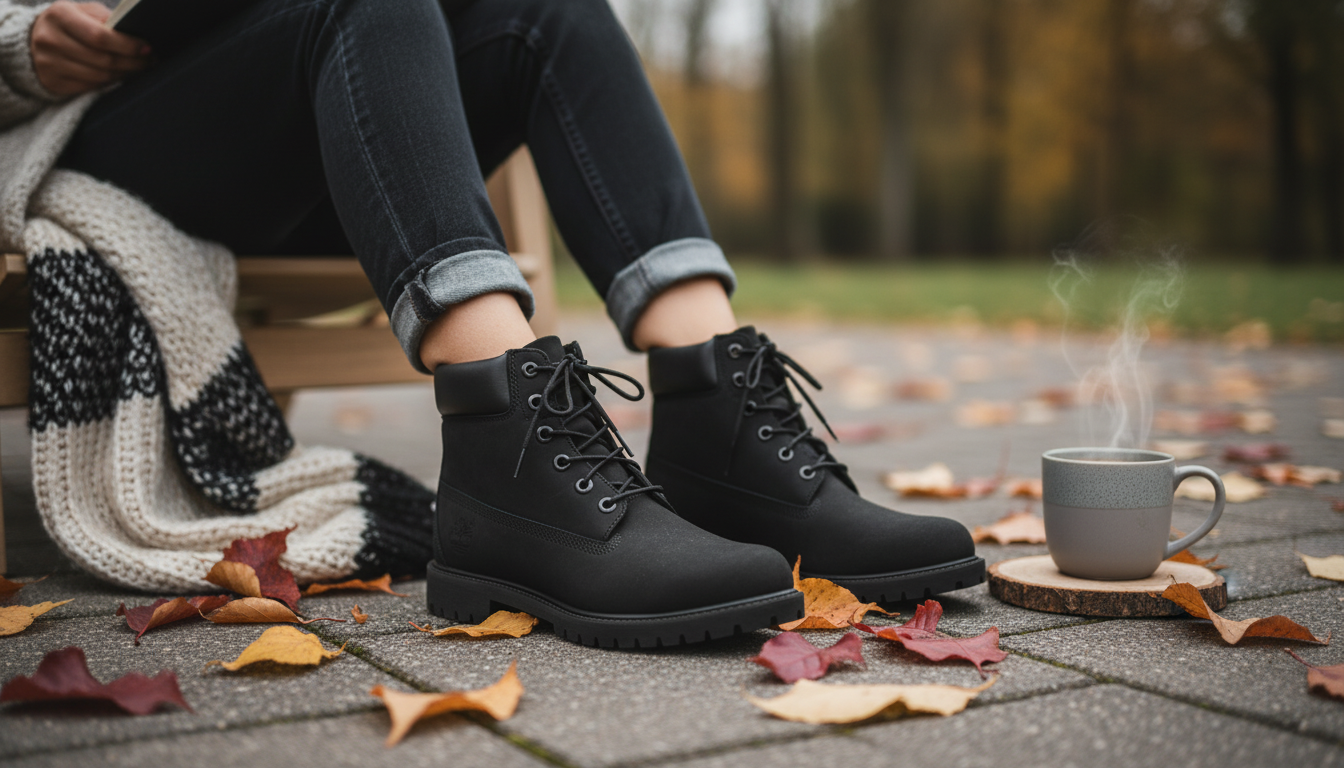
Timberland Women’s Black Ankle Lace-Up Boots: A Polished Pair Built for Real Life
Built for busy days and unpredictable weather, black ankle lace-up boots can anchor a wardrobe with equal parts durability and polish. The right pair feels steady on slick sidewalks, supportive through long commutes, and sharp enough to wear beyond weekend errands. Below is a practical guide to what matters most—materials, traction, comfort, and fit—plus styling ideas and care habits that help boots stay reliable through cooler seasons. For more guidance, see Know This Hiking Boot Lacing Technique: The Heel Lock.
What Makes an Ankle Lace-Up Boot a Workhorse
Ankle lace-up boots earn their keep when they balance structure with walkability. The ankle height supports everyday movement while still pairing easily with jeans, trousers, and dresses—without the bulk (or calf tightness) that taller shafts can bring.
- Ankle height for versatility: Easy to wear with cropped denim, wide-leg pants, or a midi skirt without competing with the hem.
- Lace-up adjustability: Laces help fine-tune fit across the instep and around the ankle, improving stability on longer walks.
- Supportive build: A structured upper plus a cushioned footbed can reduce fatigue during all-day wear.
- Traction that inspires confidence: A grippy outsole and a defined heel help on wet pavement, uneven ground, and quick pace changes.
Product Snapshot: Timberland Women’s Black Ankle Lace-Up Boots
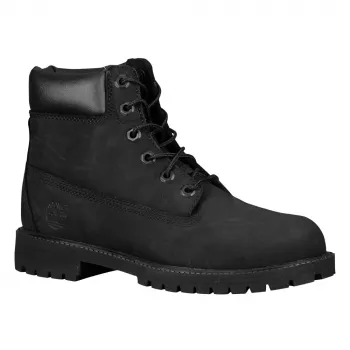
If a single pair needs to cover commuting, weekends, and travel, Timberland Women’s Black Ankle Lace-Up Boots fit the brief with a versatile black ankle profile that transitions from casual outfits to smarter looks. The lace-up front is designed for adjustable hold and a secure, locked-in feel—especially helpful when days include lots of walking or unpredictable weather.
They’re a practical choice for cooler seasons when traction and foot protection matter, and they’re currently in stock at $167.51 USD.
| Detail | What to know |
|---|---|
| Product | Timberland Women’s Black Ankle Lace-Up Boots |
| Color | Black |
| Style | Ankle height, lace-up |
| Price | $167.51 USD |
| Availability | In stock |
Fit and Comfort: Getting the Right Feel from Day One
Comfort starts with fit—especially in lace-up boots, where a small lacing adjustment can change pressure points dramatically. A smart goal is a secure heel, comfortable instep tension, and enough toe room to handle hills, stairs, and longer days.
- Toe room: Aim for about a thumb’s width in front of the longest toe to reduce pressure on descents and long walks.
- Heel security: Minimal lift is ideal. If the heel floats, try a heel-lock (runner’s loop) lacing technique before changing sizes.
- Arch and cushioning: For prolonged standing, a supportive insole can make a noticeable difference without changing the boot’s look.
- Break-in approach: Wear them indoors first with medium-weight socks in short intervals; gently flex the boot rather than forcing sharp creases.
- Sock strategy: Medium-weight socks reduce friction and help fill minor volume without sizing up.
| Check | Good sign | Warning sign |
|---|---|---|
| Toe space | Toes wiggle freely | Toes touch the front when walking |
| Heel hold | Slight movement only | Noticeable lift or slipping |
| Instep pressure | Snug without pinching | Numbness/tingling after minutes |
| Ankle comfort | Stable with full range | Hot spots at collar/eyelets |
Materials and Build Details That Matter
For boots that see frequent wear, materials and construction details often determine whether they still look good after a season of rain, grit, and constant walking.
For general footwear comfort guidance—especially around toe space and support—foot-health resources like the American Podiatric Medical Association are a helpful reference point.
Styling Ideas for Black Ankle Lace-Up Boots
- Weekend casual: Straight-leg jeans with a cuff and a chunky knit—try Guess Women’s Black Knitwear for an easy, grounded look.
- Smart casual: Tapered trousers and a long coat; keep laces neat and choose tonal socks for a streamlined line.
- Dresses and skirts: Add tights with a midi skirt to balance the boot’s structure with softer silhouettes.
- Travel uniform: Dark leggings or relaxed pants, a simple tee, and a warm layer—boots add stability and cut down on packing extra shoes.
- Head-to-toe black with a pop: Pair the boots with Calvin Klein Jeans Women’s Black and Pink Printed Shoulder Bag to break up neutrals without losing versatility.
Care and Longevity: Keeping Boots Looking Sharp
For step-by-step brand guidance, see Timberland Product Care. For broader leather stewardship and care context, the Leather Working Group offers useful background on leather standards and handling.
When to Choose Ankle Lace-Up Boots Over Other Styles
FAQ
Are ankle lace-up boots comfortable for all-day walking?
They can be, because lacing lets you fine-tune snugness at the instep and ankle for better stability. Look for cushioning that feels supportive (not flat) and consider adding insoles if you stand for long periods; medium-weight socks and a short break-in period also help.
How should black leather ankle boots be cleaned and protected?
Wipe them down with a damp cloth, brush away grit, and let them dry at room temperature—never next to direct heat. Condition leather periodically to prevent drying and cracking, and apply a protector suited to the upper material to help resist water and stains.
How can heel slipping be fixed in lace-up boots?
Start by tightening the laces gradually and try a heel-lock (runner’s loop) to secure the heel pocket. Thicker socks can reduce movement, and if slipping is minor, a thin insole or heel grip can help; persistent slipping may indicate the size or volume isn’t right.








Leave a comment