How to Style Dr. Martens Black Leather Sandals in Cold Weather
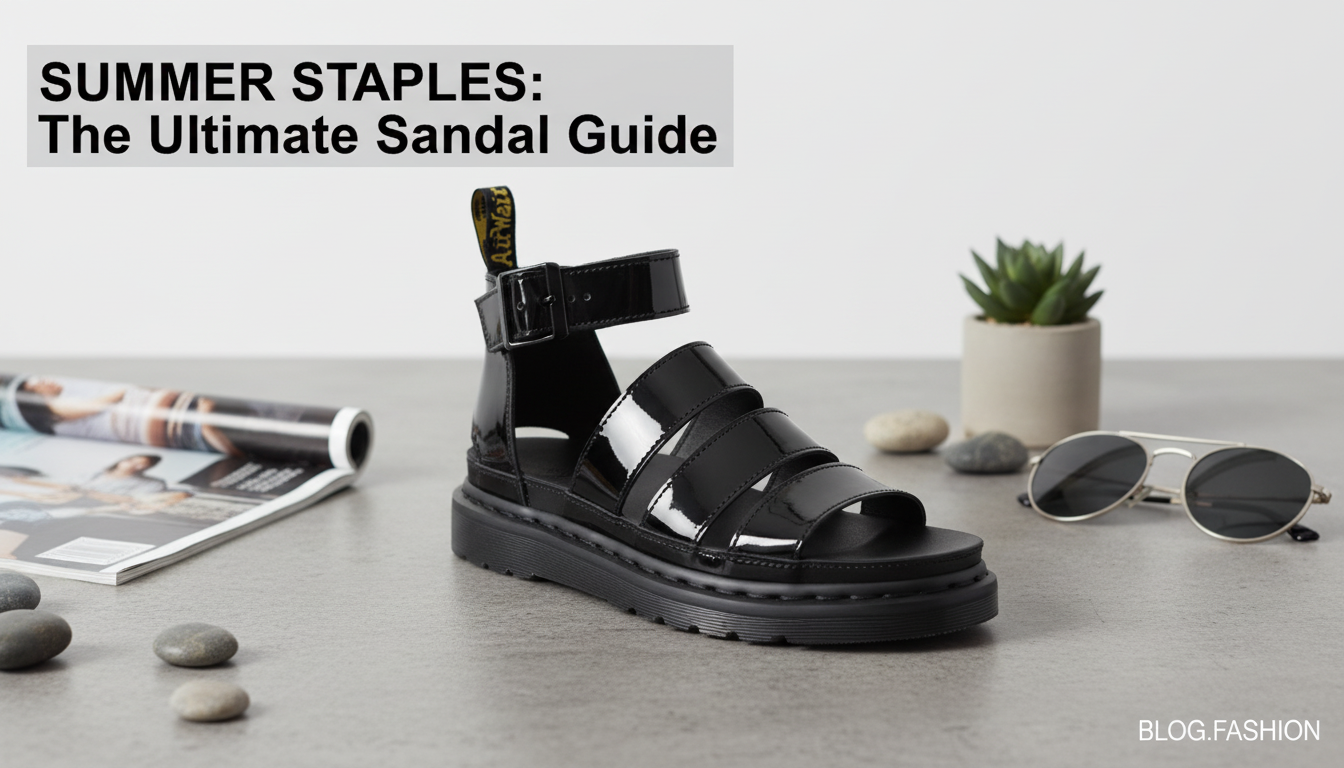
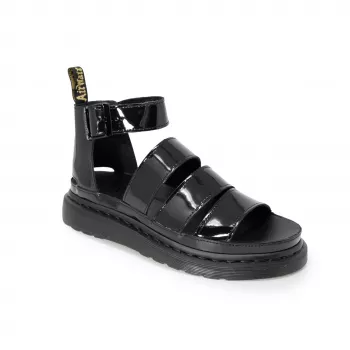
Dr. Martens Women’s Black Leather Sandals for Cold-Weather Styling
Black leather sandals can work beyond summer when the build is sturdy and the styling is intentional. A pair with Dr. Martens’ signature edge fits right into transitional outfits, pairing leather durability with a look that layers easily into fall and winter wardrobes—especially for indoor events, travel, and mild-weather days. For more guidance, see 1980-1989 | Fashion History Timeline.
If the goal is to keep outfits feeling current without defaulting to heavy boots too early, black leather sandals are a practical middle ground: grounded, polished, and easy to balance with seasonal textures like knits, denim, and wool. For further reading, see 1970s in fashion – Wikipedia.
What Makes These Sandals Work Past Summer
- Black leather upper: Adds structure and a clean finish that fits darker seasonal palettes and sharper silhouettes.
- Utilitarian shape: Chunkier styling pairs naturally with denim, tailored trousers, oversized cardigans, and longer coats.
- More transitional than minimalist sandals: A sturdier build looks less “beachy” when temperatures dip.
- Ideal for indoor-heavy days: Great for offices, dinners, airports, and events where boots can feel bulky.
For anyone who likes the contrast of tough footwear with softer fall pieces, this style plays especially well with ribbed socks, opaque tights, and thick knits—without looking forced.
Quick Specs at a Glance
Here’s a simple snapshot for decision-making and outfit planning.
| Detail | Info |
|---|---|
| Product | Dr. Martens Women’s Black Leather Sandals – Stylish Fall/Winter Footwear |
| Price | 75.01 USD |
| Material | Leather upper |
| Color | Black |
| Stock | In stock |
- Brand: Dr. Martens
- Color: Black
- Material: Leather (upper)
- Best for: Transitional styling, casual-to-smart outfits, travel and everyday wear
- Availability: In stock
Fit and Comfort: What to Look for When Trying Them On
Leather sandals tend to feel firmer at first than fabric styles, so a good try-on matters—especially if they’ll be worn with socks or tights later in the season.
- Heel security: The heel should stay seated while walking. Repeated slipping can indicate the wrong size or a strap that needs adjustment.
- Toe position: Toes should sit fully on the footbed with a small buffer at the front—no overhang.
- Strap feel: Leather should feel snug and supportive, not pinching. Expect gentle give as it breaks in.
- Walk test: Spend a few minutes indoors to check for hot spots along the forefoot sides and around the ankle.
- Sock styling test: If fall/winter wear includes socks, try them on with the thickness you’ll actually use (thin ribbed vs. chunky wool blends).
Comfort in sandals often comes down to micro-adjustments. If the foot feels secure and the straps don’t bite, break-in tends to be straightforward with a few shorter wears.
Cold-Weather Styling Ideas (Without Forcing It)
The easiest way to make sandals feel seasonal is to pair them with fall textures and intentional proportions. Keep the outfit grounded up top, then let the sandal read as a deliberate styling choice.
- With socks: Ribbed or textured socks + a midi skirt + an oversized knit creates a balanced silhouette (soft volume up top, structure on the bottom).
- With wide-leg trousers: Choose cropped or slightly shortened hems so the sandal shape stays visible and the outfit doesn’t look heavy.
- With denim: Straight-leg jeans, a leather jacket, and a scarf makes an easy transitional uniform for mild days.
- With tights: Opaque tights and a sweater dress works well for indoor gatherings or mild evenings when boots feel like too much.
- Color strategy: Black leather anchors camel, charcoal, olive, cream, and deep burgundy—shades that naturally show up in colder months.
Care for Black Leather in Wet and Cold Months
Cold-season conditions can be harder on leather than summer heat—mainly because of road salt, damp sidewalks, and dry indoor heating. A simple routine keeps black leather looking smooth and prevents premature cracking.
- Condition periodically: Indoor heating can dry leather out faster than expected. Light conditioning helps maintain flexibility.
- Wipe salt and grime promptly: Use a slightly damp cloth, then let the sandals air-dry away from direct heat.
- Apply protectant before the season: Use a leather protectant formulated for smooth leather to help repel water and stains.
- Store with shape support: Paper stuffing or shoe trees help reduce deep creasing across the forefoot.
- Rotate wear: After damp days, give leather time to dry fully between wears.
For general leather cleaning and upkeep basics, see Good Housekeeping’s leather cleaning guidance and wikiHow’s leather care overview.
When Sandals Make Sense vs. When Boots Win
Complete the Look: Outfit Pairings from the Shop
- Dr. Martens Women’s Black Leather Sandals – Stylish Fall/Winter Footwear: The anchor piece for transitional outfits, especially with socks or tights.
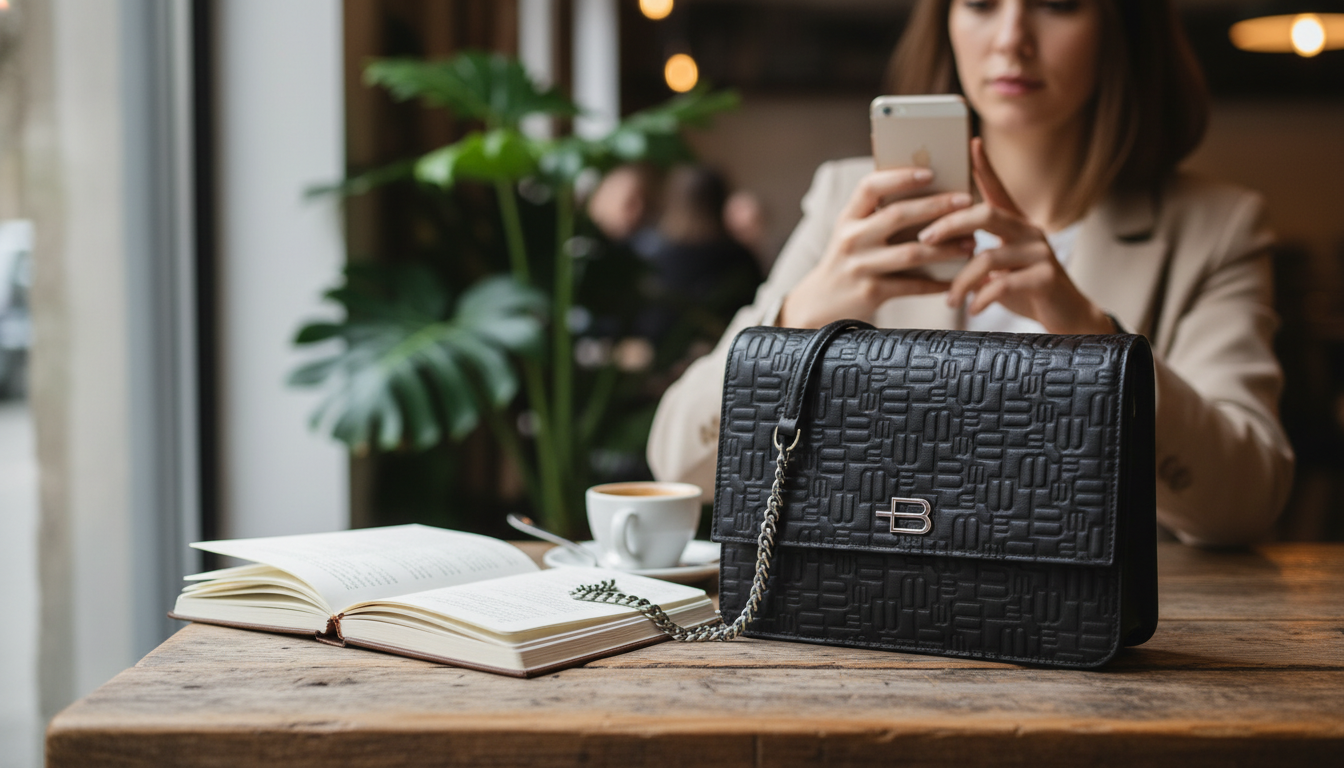
- Calvin Klein Jeans Women’s Black and Pink Printed Shoulder Bag: A structured bag sharpens the look for day-to-night styling and adds a controlled pop of color.
- Guess Women’s Black Knitwear: Knitwear adds seasonal contrast—rugged footwear with soft texture—while keeping the palette cohesive.
FAQ
Can leather sandals be worn in fall and winter?
Yes—especially in transitional weather and indoor settings. Pair them with socks or tights and avoid heavy rain, snow, or icy conditions where warmth and traction are more important.
How should black leather sandals fit?
Toes should sit fully on the footbed with a small margin, straps should feel secure without pinching, and the heel shouldn’t lift excessively when walking. A brief walk test indoors helps catch hot spots early.
How do you care for black leather sandals during cold months?
Wipe off moisture and salt quickly, let them air-dry away from direct heat, and condition occasionally to prevent drying. A suitable leather protectant also helps repel water and stains during the season.









Leave a comment