Dr. Martens Men’s Boots for Spring/Summer: Black & Light
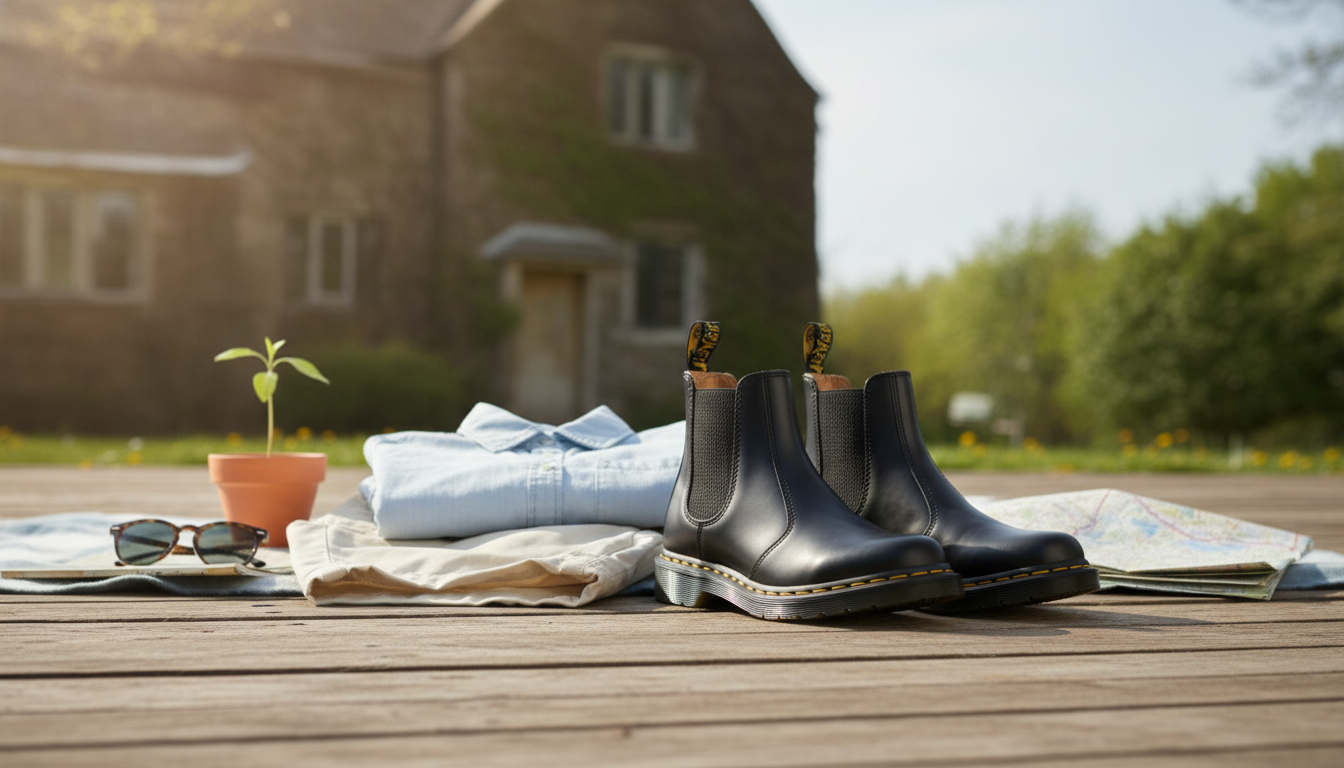
Dr. Martens Men’s Black Spring/Summer Boots: Lightweight Comfort with Classic Edge
Warm-weather boots work best when they balance breathability, support, and durability—without losing the look that makes boots worth wearing in the first place. Spring sidewalks can be slick, summer days can run long, and feet can swell a bit in heat. The right pair should feel stable on the move, easy to style with lighter layers, and resilient enough for sudden showers.
If you want a black boot that keeps its edge while fitting into everyday outfits, Dr. Martens Men’s Black Spring/Summer Boots are a strong option to consider for commutes, travel days, and nights out when sneakers feel too casual.
What Makes a Boot Work for Spring and Summer
Warm months call for a different boot mindset than winter. Instead of insulation and heavy builds, prioritize airflow, smart materials, and traction that handles both dry pavement and rain-darkened concrete.
- Breathability: prioritize uppers and linings that allow airflow; avoid overly insulated builds meant for winter.
- Weight and flexibility: lighter soles and more forgiving uppers reduce fatigue during longer daylight walks.
- Moisture management: sweat and humidity increase friction; socks and interior materials matter as much as the upper.
- Traction for mixed conditions: spring rain and slick sidewalks call for tread that grips without feeling bulky.
- Break-in expectations: firmer leathers can soften over time; plan short wears first to prevent hot spots.
Warm-Weather Boot Checklist
| Feature | Why it matters in warm months | What to look for |
|---|---|---|
| Upper material | Impacts airflow and heat retention | Smoother leather with reasonable thickness; avoid heavy padding |
| Lining | Controls heat and sweat feel | Minimal lining or breathable textile; avoid insulated linings |
| Sole profile | Affects weight and long-wear comfort | Moderate thickness with flex; stable heel-to-toe transition |
| Tread | Helps in sudden showers and dusty paths | Multi-directional grip; not overly aggressive for city wear |
| Fit | Reduces friction when feet swell in heat | Secure heel, room in toe box; consider half-size/width needs |
Spotlight: Dr. Martens Men’s Black Spring/Summer Boots
A black boot earns its place in spring and summer when it can anchor lighter outfits without feeling heavy or out of season. The appeal is simple: you get the visual structure of a boot, plus a tougher build for days when weather and sidewalks don’t cooperate.
- Versatile black finish: pairs easily with light denim, chinos, and neutral shorts-on-cool-days layers.
- All-day practicality: boots in this category are typically chosen for daily commuting, travel days, and nights out where sneakers feel too casual.
- Seasonal edge: a boot can anchor lighter outfits (tees, overshirts, relaxed trousers) without looking out of place.
- What to confirm before ordering: size consistency with other boots, return options, and whether preferred socks fit comfortably without pinching.
If spring evenings still run cool where you live, a light knit layer keeps the look balanced—consider pairing boots with Armani Exchange Men’s Wool Blend Round Neck Knitwear for a clean, ready-for-anything outfit that doesn’t lean too heavy.
Fit and Comfort: Getting the Sizing Right in Warm Weather
Heat changes fit. Feet often swell slightly over the course of a day, and moisture increases friction. A boot that feels “perfectly snug” at 9 a.m. can start rubbing by late afternoon.
- Expect slight foot swelling in heat: aim for a secure heel with a bit of extra toe room to prevent rubbing.
- Socks are part of the fit: thin merino or moisture-wicking crew socks can reduce friction better than thick cotton in summer.
- Break-in plan: wear indoors for short sessions, then build to longer walks; use blister-prevention tape on known hot spots.
- Lacing technique: a snug midfoot with a slightly looser forefoot can improve comfort on hotter days.
- Insoles and support: if arches fatigue quickly, a breathable insole can improve comfort without trapping too much heat.
General footwear fit guidance from the American Podiatric Medical Association (APMA) can be helpful when evaluating toe room, heel security, and overall comfort—especially if you’re on your feet all day.
Outfit Ideas for Spring/Summer Boots (Without Feeling Overdressed)
Black boots don’t have to look “winter.” The trick is keeping everything else light: breathable fabrics, cropped or cuffed hems, and simple layers that can come off when the afternoon heats up.
Care and Maintenance in Heat, Dust, and Sudden Rain
For brand-specific product and material guidance, follow Dr. Martens care instructions, especially if your boots use a finish that benefits from particular cleaners or conditioners.
When Boots Beat Sneakers in Warm Months
If you want one black pair that can move from weekday sidewalks to weekend plans, Dr. Martens Men’s Black Spring/Summer Boots fit the “do more with one pair” role especially well.
FAQ
Are Dr. Martens boots comfortable in warm weather?
They can be, especially with breathable socks, a correct fit that allows slight swelling, and a gradual break-in schedule. Rotating wears and letting them fully air out between long days also helps.
How should boots fit to avoid blisters in summer?
A locked-in heel with a little extra toe room is key. Pair that with moisture-wicking socks, adjust lacing for midfoot security, and break them in with short wears before all-day outings.
What’s the best way to dry boots after a spring rain?
Air-dry at room temperature and avoid direct heat sources. Stuffing them with paper can help pull moisture out faster, and wiping away grit before it dries helps protect the surface.










Leave a comment