Dr. Martens Black Leather Lace-Ups: Fit, Care, Style
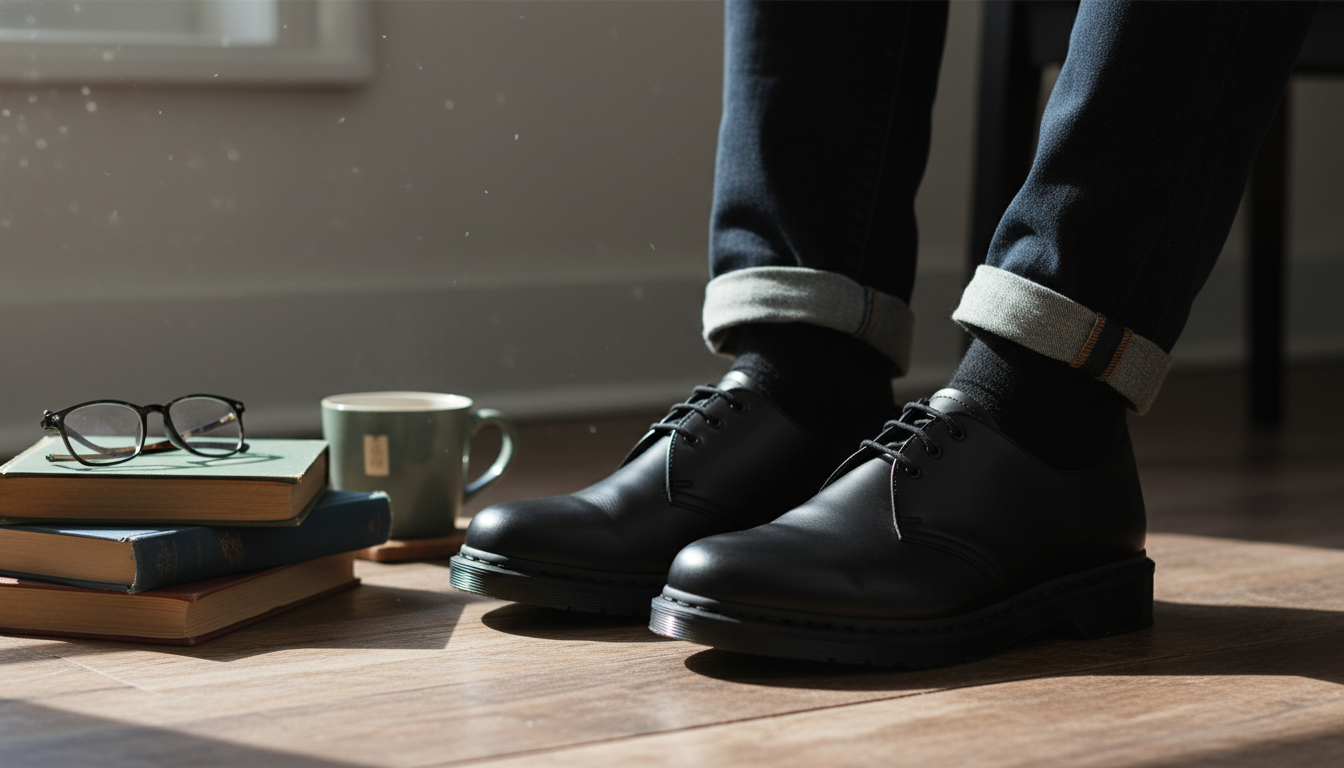
Dr. Martens Men’s Black Leather Lace-Up Shoes: A Durable Classic for Workdays and Weekends
Black leather lace-up shoes from Dr. Martens are known for a rugged build, a distinctive profile, and long-wearing comfort once they’re broken in. For anyone who wants one pair that can handle weekday commuting and still look right with weekend denim, this style hits a rare balance: structured leather up top and a hard-wearing sole underfoot. Below is a practical guide to what to look for in the materials and construction, how the fit typically feels, easy outfit formulas, and leather-care habits that help shoes keep their shape and finish over time.
What Sets These Leather Lace-Ups Apart
- Iconic Dr. Martens styling: clean, straightforward lines with a tougher, utilitarian edge that doesn’t feel overly dressy or overly casual.
- Structured leather uppers: built to hold their form and last, with a break-in period that usually pays off in comfort.
- Lace-up adjustability: lets you fine-tune tension across the instep and midfoot, which matters on long days.
- Versatile black finish: works with casual denim, smart-casual chinos, and darker office looks that call for a sharper silhouette.
Materials and Build Quality to Look For
Leather shoes live or die by the details. Even within the same general category, a better upper, stronger stitching, and a supportive interior can change how the shoe feels after hour six on your feet.
- Leather upper: check for even grain, consistent color, and sturdy stitching around high-stress areas like the toe box and eyelets.
- Lining and insole: comfort depends on interior materials and how the footbed supports the arch and heel—especially if you walk a lot.
- Outsole: look for slip resistance and a tread pattern that matches your real life (sidewalks, office floors, light rain).
- Hardware: metal eyelets and strong laces help the fit stay stable as the leather softens over time.
Quick Check: Leather Shoe Quality Signals
| Feature | What to Notice | Why It Matters |
|---|---|---|
| Leather finish | Uniform color, minimal surface cracking | Holds up better and looks cleaner with wear |
| Stitching | Tight, straight seams with no loose threads | Reduces risk of seam failure |
| Heel structure | Firm heel counter with good alignment | Improves stability and comfort on long walks |
| Outsole traction | Defined tread and solid contact points | Helps reduce slips on smooth floors |
Fit, Sizing, and Break-In Comfort
With structured leather, it’s normal for the first few wears to feel stiff—especially across the instep where the upper bends. The goal is “secure, not painful.” If the shoe is crushing your toes or forcing your heel to slide, sizing or lacing adjustments may be needed.
- Expect a break-in period: initial snugness across the instep often relaxes as the leather warms and flexes.
- Toe room matters: aim for comfortable wiggle space without heel lift; excessive heel slip can lead to blisters.
- Socks are part of the fit: medium-weight socks can reduce friction during break-in and help fine-tune volume.
- Use lacing strategically: you can loosen a couple of eyelets over the top of the foot and keep the ankle secure to relieve pressure points.
For general fit and foot-health considerations, the American Podiatric Medical Association offers helpful guidance on footwear and comfort.
When These Shoes Make the Most Sense
- Daily commuting and city walking: a durable build and grippy sole are useful when you’re moving between sidewalks, transit, and smooth indoor floors.
- Smart-casual environments: easy to pair with dark denim or chinos, a simple crewneck, and a structured jacket.
- Travel packing: black leather covers multiple outfits and tends to show scuffs less than lighter colors (and looks cleaner than many casual sneakers after a long day).
- Cooler seasons: leather blocks wind better than canvas, and thicker socks can make break-in more comfortable.
Outfit Pairings That Work Year-Round
Black lace-up leather shoes are at their best when the rest of the outfit is simple and intentional. Keep the palette controlled, let the footwear add edge, and avoid overly busy patterns.
- Minimal weekend look: black lace-ups + dark jeans + plain tee + overshirt or lightweight jacket.
- Office-ready smart-casual: black lace-ups + tapered chinos + button-down + simple knit layer.
- Cold-weather layering: black lace-ups + wool-blend knit + darker outerwear (charcoal, black, deep olive) for a cohesive finish.
- Accessories: match belt and bag tones (black or deep brown) for a cleaner, more pulled-together look.
In-Stock Picks to Complete the Look
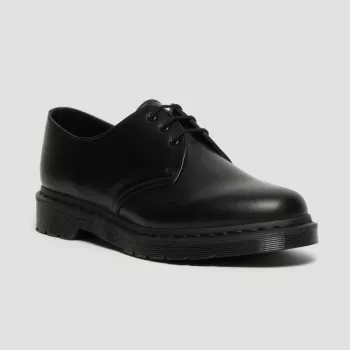
- Dr. Martens Men’s Black Leather Lace-Up Shoes $121.51
- Armani Exchange Men’s Wool Blend Round Neck Knitwear $39.01
Leather Care and Long-Term Maintenance
Leather rewards consistency. A few minutes of upkeep every couple of weeks typically looks better than waiting until the shoes are dry, dull, and deeply scuffed.
For a straightforward overview of care basics, the British Leather Confederation is a reliable reference point.
Price, Value, and What You’re Paying For
For brand details and current collections, visit the Dr. Martens Official Site.
FAQ
Do leather lace-up shoes from Dr. Martens need a break-in period?
Yes—structured leather often feels stiff at first. Break them in gradually, use thicker socks to reduce friction, and adjust lacing tension to relieve pressure points while the leather softens.
How should black leather shoes be cleaned and conditioned?
Wipe them regularly to remove dust and salt, let them dry naturally, and condition occasionally to prevent dryness. Use a neutral or black polish to maintain the finish, and avoid direct heat or over-wetting.
Are black leather lace-up shoes suitable for smart-casual outfits?
Yes. Pair them with dark denim or chinos, add a button-down or clean knit layer, and keep accessories minimal for a refined, smart-casual look.










Leave a comment