Do Closed-Toe Mules Count for Dress Codes?
Do mules count as closed toes?
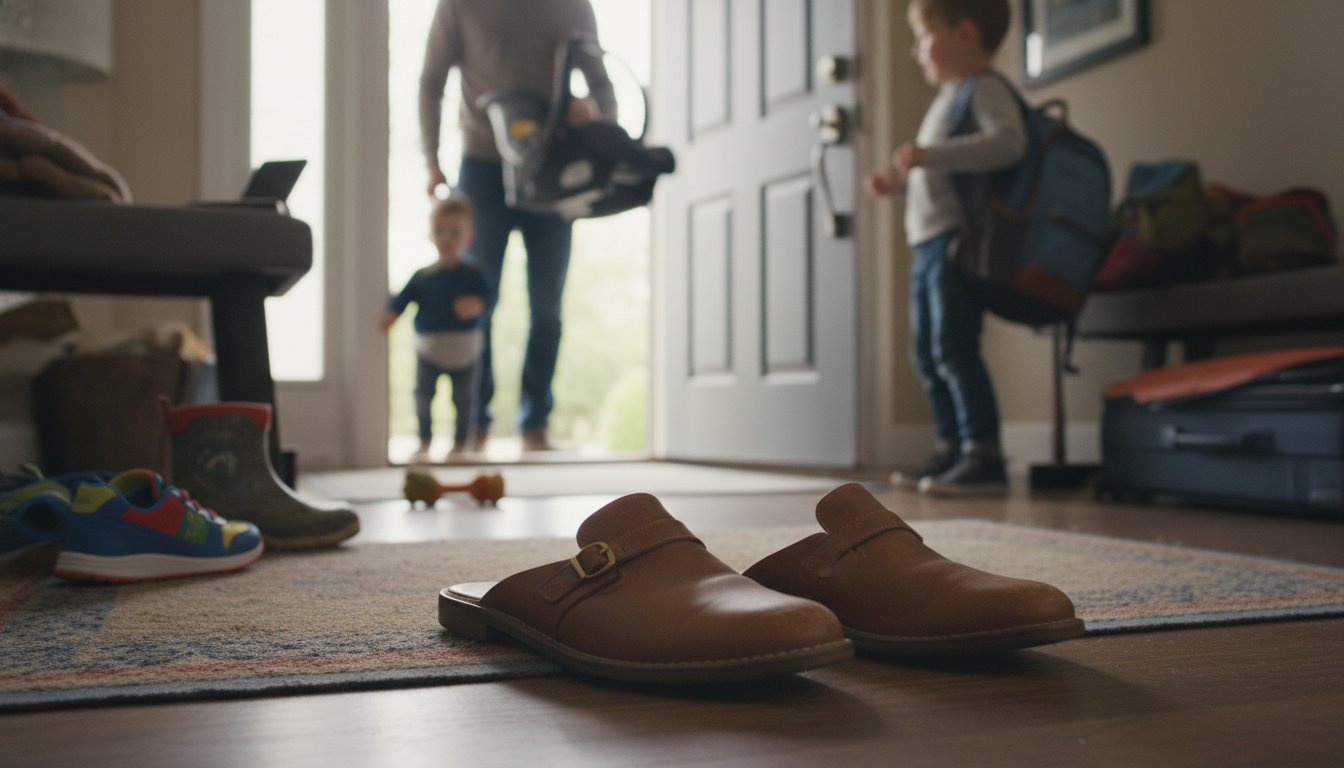
Sometimes. A mule is defined by its open back (no heel counter), not by the toe. So mules can be either closed-toe or open-toe depending on how the front of the shoe is constructed. If the front fully covers your toes and the shoe doesn’t expose the tips or sides of your toes, it’s generally considered a closed-toe mule.
How to tell if a mule is truly closed-toe
Look at the vamp (the material over the top/front of the foot). A closed-toe mule typically has a full toe box similar to a loafer or pump, with no peek-toe opening. If you can see any part of your toes through a cutout, split, or open front, it won’t count as closed-toe in most settings.
Also check the side coverage. Some styles look closed from the front but have deep side notches that show toe skin; those can be treated as “not fully closed” under stricter dress codes.
Does “closed-toe” matter for dress codes and workplaces?
It can. Many workplace policies that require closed-toe shoes are mainly trying to prevent exposed toes for safety and appearance. A closed-toe mule often satisfies the “no exposed toes” part, but some employers also require a closed heel for stability and protection. In that case, even a closed-toe mule may be rejected because the back is open.
If you’re buying for an office or event, it helps to confirm whether the rule is “closed-toe” only or “closed-toe and closed-heel.”
Style note: square-toe and polished mule options
Square-toe mules—especially slip-on styles with tassels, chains, or a structured upper—often read as more tailored and “shoe-like,” which can make them feel closer to a loafer while still being easy to slide on. For examples of polished square-toe designs and how they wear, see the main guide: Square Toe Tassel Chain Mules Slip-On Polish.
FAQ
Are mules appropriate for business casual outfits?
Closed-toe mules in smooth leather or a structured material can work well for business casual, especially in neutral colors. If the workplace expects a closed heel, choose a loafer or pump instead.










Leave a comment