Calm Your Dog or Cat Around the Vacuum: 7-Day Plan
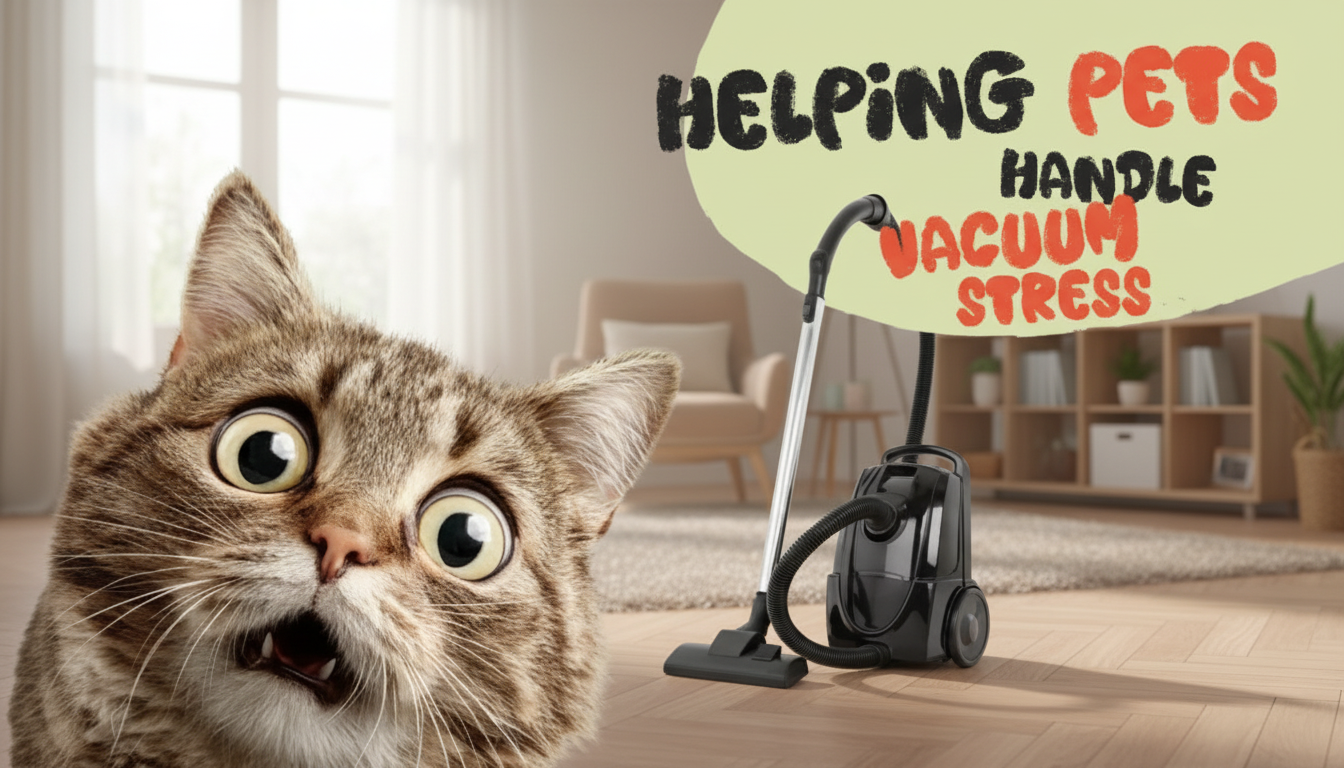
Why vacuums feel threatening to pets
Vacuum cleaners bundle several “scary” sensations into one event, which is why even confident pets can react strongly. Understanding what your dog or cat is responding to makes it easier to choose the right training step instead of guessing.
- Sound sensitivity: Vacuums can be loud, and the pitch often shifts as the head moves from rug to hard floor—perfect conditions for a startle response that turns into ongoing anxiety.
- Unpredictable movement: The vacuum changes direction suddenly, and it may roll toward a favorite nap spot or a hallway your pet uses as a “safe route.”
- Airflow and vibration: The rush of air plus floor vibration can feel intrusive, especially to cats close to the ground and dogs with strong tactile sensitivity.
- Past learning: If a pet has been accidentally chased, cornered, or startled by a vacuum, fear can become conditioned quickly—and reappear the moment the vacuum comes out.
Stress signals to watch for (and when to pause training)
Training only works when your pet stays under threshold—aware of the vacuum but still able to think, eat, and relax. If stress climbs, the next step isn’t “push through,” it’s “make it easier.”
- Early signs: lip licking, yawning when not tired, “whale eye,” tucked tail, ears pinned back, freezing, crouching, hiding.
- Escalation: barking, lunging, swatting, chasing the vacuum, snapping, trembling, panting, drooling, trying to escape the room.
- Rule of thumb: if your pet can’t take treats, can’t disengage, or is rigid and scanning, the exposure is too intense—reduce distance, volume, or duration.
- Safety note: avoid forcing contact or “flooding.” It can deepen fear and raise bite/scratch risk, especially if a pet feels trapped.
For added safety guidance around fearful or reactive dogs, see the American Veterinary Medical Association’s resources on dog bite prevention.
Set up the home for calmer vacuum sessions
Good training goes faster when the environment prevents panic rehearsals. Aim for a setup that gives your pet a clear “no vacuum will reach me” option.
- Create a quiet zone: a closed bedroom, a covered crate, or a tall cat tree area away from the vacuum path.
- Add sound buffering: close doors, block door gaps with a towel, and run a fan or white noise in the safe room.
- Prepare enrichment: long-lasting chews, lick mats, food puzzles, or scatter feeding help shift attention away from the noise.
- Prevent rehearsals of chasing: use baby gates or doors so the vacuum never “chases” your pet through open space.
A gradual desensitization plan that builds confidence
The goal isn’t to convince your pet the vacuum is “fun.” The goal is neutrality: the vacuum appears, runs, moves, and your pet stays calm enough to choose rest, food, or a toy.
7-day calm vacuum practice (adjust pace as needed)
| Day | Goal | What to do | Ready to progress when |
|---|---|---|---|
| 1 | Vacuum becomes a neutral object | Leave vacuum out (off). Reward calm looks/sniffs from a distance. | Loose body, normal breathing, can eat treats |
| 2 | Comfort closer to the vacuum (off) | Toss treats near vacuum base; allow approach and retreat. | Approaches willingly, no freezing/hiding |
| 3 | Brief sound at maximum distance | Turn vacuum on in another room for 1–2 seconds; reward in safe area. | Ears/eyes orient then relax quickly |
| 4 | Longer sound, still distant | Increase to 5–10 seconds; keep pet engaged with treats/lick mat. | Can stay settled throughout sound |
| 5 | Sound in same room, far away | Vacuum on at far end; pet behind gate/doorway with rewards. | Can take treats and choose to disengage calmly |
| 6 | Add gentle movement | Move vacuum slowly in predictable lines away from pet; reward calm. | No chasing/lunging; relaxed posture returns quickly |
| 7 | Short real vacuuming routine | Vacuum a small area while pet is comfortable in safe zone with enrichment. | Pet remains calm; stress signs minimal or absent |
During real vacuuming: practical routines that prevent setbacks
Extra tools that can make the transition easier
- Sound masking: a fan, white noise, or calming music can reduce the sharpness of vacuum noise.
- Comfort aids: familiar bedding, a covered crate, or a species-appropriate pheromone diffuser can help the safe room feel more secure.
- Training support: a structured plan helps you keep sessions consistent and avoid rushing steps when results look “almost good.”
- When professional help is needed: persistent panic, aggression, self-injury attempts, or generalized noise phobias warrant support from a veterinarian or qualified behavior professional. The IAABC consultant directory can help you find credentialed help, and the ASPCA offers general guidance on behavior and training.
Product support for building a calmer vacuum routine
- Helping Pets Handle Vacuum Stress — a practical resource to keep your steps gradual, reward-based, and repeatable.
- Calvin Klein Jeans Women’s Black and Pink Printed Shoulder Bag — a convenient way to keep treats, a clicker, and cleanup essentials together so training sessions start smoothly and stay organized.
FAQ
Should pets be in the room while vacuuming?
Most pets do best in a separate safe zone with a door or gate between them and the vacuum, especially during early training. If a pet remains genuinely relaxed, staying in the room can be fine, but avoid chasing, crowding, or vacuuming toward them.
How long does it take for a pet to stop being afraid of the vacuum?
Timelines vary widely—some pets improve in days, while others need weeks of short, low-pressure practice. Progress is fastest when you only move to the next step once your pet stays loose, can eat treats, and can disengage calmly.
What if my dog attacks the vacuum or my cat panics and hides?
Immediately prevent rehearsal by separating your pet and pausing vacuum use in shared spaces until you can restart at an easier training level. If the reaction is intense, dangerous, or worsening, involve a veterinarian or qualified behavior professional to build a safer plan.










Leave a comment